

China Top 10 Engine Mount Cushion Manufacturers
China has become a major source of automotive rubber and vibration-control components. This guide examines ten notable Engine Mount Cushion manufacturers serving vehicle makers, distributors, and repair networks. The selection considers manufacturing experience, product consistency, technical capability, and export reliability.
A strong supplier should understand more than rubber molding. It should control hardness, bonding strength, dimensional accuracy, and aging resistance. Factory audits can reveal important details, including clean production areas, traceable batches, and calibrated testing equipment. Sample evaluation also matters. A cushion may look identical but perform differently under heat, vibration, and repeated loading.
Real-world performance is the key measure. Engineers often inspect compression behavior, noise reduction, and fitment accuracy before approving a supplier. ISO-based quality systems can support consistency, but certification alone cannot prove product suitability. That point deserves attention.
The manufacturers discussed here may offer different strengths. Some focus on passenger vehicles, while others support commercial trucks or industrial machinery. Their tooling capabilities, minimum order quantities, customization services, and delivery practices may also vary. Buyers should compare drawings, materials, test reports, warranty terms, and production samples before making decisions.
This overview is not a permanent verdict. Market positions can change. Factory capacity, ownership, equipment, and customer feedback may develop over time. Independent verification remains necessary, especially for safety-related applications. We also recognize a practical limitation: public information about some Chinese suppliers is incomplete or uneven. Careful communication can reduce that uncertainty.
The following profiles provide a focused starting point for supplier research. They aim to connect technical requirements with realistic purchasing decisions. A dependable Engine Mount Cushion should support quiet operation, stable handling, and long service life. Claims must meet evidence.
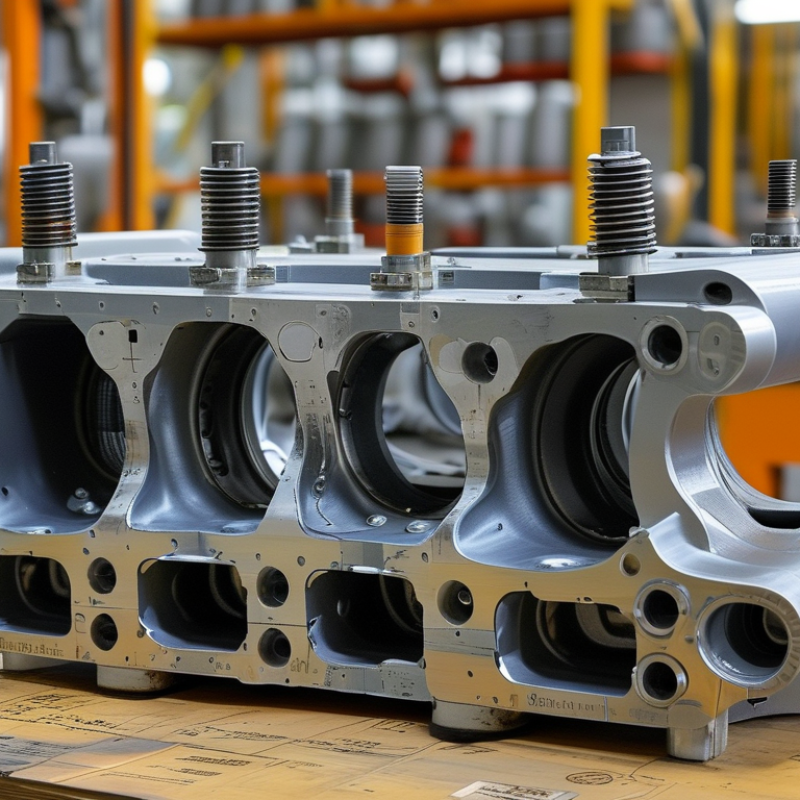
Engine Mount Cushions: Definition, Functions, and Vehicle Applications
Engine mount cushions are resilient components positioned between an engine, transmission, and vehicle frame. They absorb movement, vibration, and shock produced during starting, acceleration, braking, and uneven-road driving. Most cushions combine engineered rubber with metal sleeves or bonded plates. Some newer designs use hydraulic chambers for improved vibration control. They are not decoration. Their flexibility keeps the powertrain aligned while reducing noise inside the cabin.
In workshop inspections, technicians often look for torn rubber, collapsed sections, fluid leakage, or uneven contact marks. A worn cushion may cause clunks, steering-floor vibration, or excessive engine movement during gear changes. Noise is a clue. However, replacing the cushion alone may not solve the problem. Misaligned brackets, worn torque links, and damaged exhaust parts can create similar symptoms. This is where careful diagnosis matters, although inspections are sometimes rushed.
Vehicle applications vary widely. Passenger cars need quiet operation and controlled comfort, while vans and light trucks require stronger load resistance. Off-road vehicles face repeated impacts, mud, temperature changes, and frame flexing. Electric vehicles also use mount cushions, despite having different powertrain vibration patterns. When comparing manufacturers, buyers should examine rubber hardness, bonding quality, dimensional accuracy, fatigue testing, and temperature performance. Test data is useful, but real vehicle fitment still deserves attention. A cushion can pass laboratory checks and perform poorly after installation if its geometry is slightly wrong. Reliable suppliers provide material specifications, inspection records, and application guidance for different vehicle platforms.
| No. | Engine Mount Cushion Type | Definition | Primary Function | Common Material Structure | Typical Vehicle Applications | Key Selection Considerations |
|---|---|---|---|---|---|---|
| 1 | Rubber-Bonded Mount Cushion | A resilient elastomeric cushion bonded to metal mounting plates or brackets. | Supports the engine while isolating vibration and limiting small powertrain movements. | Natural rubber or synthetic rubber combined with stamped or cast metal components. | Passenger cars, light commercial vehicles, and conventional front-wheel-drive vehicles. | Rubber hardness, load direction, temperature resistance, bonding quality, and fatigue life. |
| 2 | Hydraulic Engine Mount | A fluid-filled mount containing elastomeric chambers and a damping passage. | Combines vibration isolation with hydraulic damping to reduce engine shake and resonance. | Rubber or elastomer body, metal housing, and glycol- or water-based damping fluid. | Modern passenger cars, vehicles with compact engines, and applications requiring high idle comfort. | Leak resistance, fluid compatibility, damping response, temperature range, and service durability. |
| 3 | Hydraulic-Actuated Mount | An advanced hydraulic mount whose damping characteristics can be adjusted by an external actuator or control system. | Changes vibration isolation or damping behavior according to engine speed, load, or operating condition. | Elastomeric body, hydraulic chamber, control valve, metal housing, and electronic or vacuum actuator. | Premium passenger vehicles and powertrains requiring refined noise, vibration, and harshness control. | Control-system compatibility, response time, fluid sealing, electrical or vacuum reliability, and cost. |
| 4 | Solid Rubber Mount Cushion | A compact mount made from a molded rubber element without a hydraulic fluid chamber. | Provides durable static support and basic vibration isolation with a simple construction. | Molded natural rubber or synthetic rubber, often combined with metal sleeves or plates. | Small cars, utility vehicles, agricultural equipment, and cost-sensitive powertrains. | Compression and shear stiffness, rubber compound, weather resistance, and installation orientation. |
| 5 | Polyurethane Mount Cushion | A mount cushion formed from polyurethane, generally offering higher stiffness than standard rubber. | Restricts engine movement and improves powertrain positioning under high torque loads. | Cast or molded polyurethane with metal inserts, sleeves, or support brackets. | Performance vehicles, modified vehicles, off-road vehicles, and high-load applications. | Hardness level, noise transmission, oil resistance, tear strength, and operating temperature. |
| 6 | Metal-Rubber Sandwich Mount | A layered mount in which rubber or elastomer is compressed or bonded between metal plates. | Manages vertical and lateral loads while providing a controlled degree of compliance. | Alternating layers of rubber or elastomer and steel or aluminum plates. | Passenger vehicles, vans, buses, and applications with defined vertical load paths. | Plate thickness, shear and compression stiffness, corrosion protection, and load capacity. |
| 7 | Torque-Strut Mount | A directional mount designed primarily to control rotational movement of the engine and transmission assembly. | Limits powertrain rocking during acceleration, braking, gear changes, and sudden torque changes. | Rubber or elastomer bushings installed in a metal rod, bracket, or link assembly. | Front-wheel-drive cars, transverse engine layouts, and vehicles with noticeable torque reaction. | Rotational stiffness, bushing deflection, alignment, bracket strength, and impact resistance. |
| 8 | Shear-Type Engine Mount | A mount that carries a significant portion of its load through lateral or shear deformation of the elastomer. | Provides directional isolation while controlling engine movement in compact mounting spaces. | Rubber or synthetic elastomer bonded to inner and outer metal sleeves or brackets. | Compact passenger cars, transverse powertrains, and space-constrained engine bays. | Shear stiffness, displacement limits, bonding integrity, fatigue performance, and packaging space. |
| 9 | Heavy-Duty Engine Mount Cushion | A reinforced cushion engineered to withstand high static loads, torque reactions, and severe operating conditions. | Supports heavy powertrains and protects the chassis from excessive vibration and shock loads. | High-strength rubber or elastomer, reinforced steel, and heavy-duty brackets or isolators. | Trucks, buses, construction equipment, mining equipment, and agricultural machinery. | Rated load, shock resistance, oil and ozone resistance, corrosion protection, and service life. |
| 10 | Electric Powertrain Mount Cushion | An isolation cushion adapted for electric motors, reduction gears, battery-related structures, or hybrid powertrains. | Controls high-frequency vibration, gear-mesh noise, motor torque reaction, and structural transmission paths. | Specialized rubber or elastomer compounds, metal carriers, and—in some designs—hydraulic or active elements. | Battery-electric vehicles, hybrid vehicles, plug-in hybrids, and electric commercial vehicles. | High-frequency isolation, torque reversals, low-temperature behavior, mass distribution, and acoustic targets. |
| General note: Engine mount cushions are selected according to powertrain mass, load direction, vibration frequency, torque reaction, available installation space, temperature, fluids, corrosion exposure, and required noise, vibration, and harshness performance. The table describes product categories and vehicle applications without listing manufacturer or brand information. | ||||||