How to Choose the Best AMR Robot for Your Warehouse Operations
As warehouse operations increasingly evolve to meet the demands of a rapidly changing market, the adoption of automated solutions, particularly Autonomous Mobile Robots (AMR robots), has gained significant traction. According to a report by the International Federation of Robotics, the logistics sector is expected to experience an annual growth rate of 18% in robot adoption over the next five years. This surge emphasizes the importance of selecting the right AMR robot to enhance efficiency, reduce labor costs, and streamline operations.
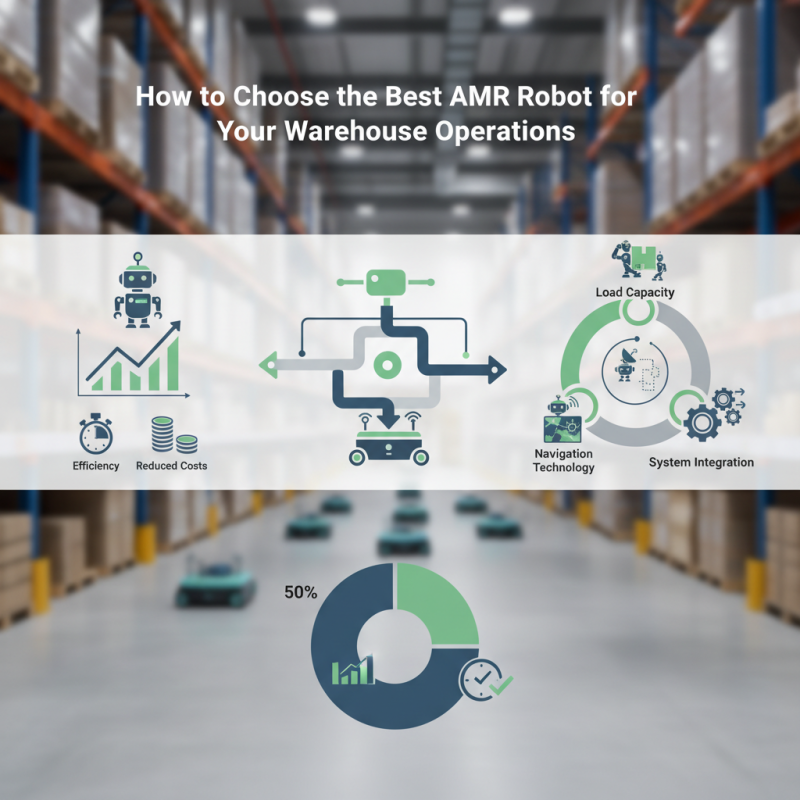
Choosing the ideal AMR robot for warehouse operations involves numerous factors, including load capacity, navigation technology, and integration with existing systems. A 2022 research report highlighted that warehouses utilizing AMR technology have reported up to 50% increases in operational efficiency and significant reductions in order fulfillment times. As businesses continue to prioritize automation to remain competitive, understanding the diverse capabilities and applications of AMR robots becomes crucial for decision-makers seeking to invest wisely in the future of their logistics operations.
Factors to Consider When Selecting AMR Robots for Warehousing Needs
When selecting autonomous mobile robots (AMRs) for warehousing needs, several factors come into play that can significantly impact operational efficiency and return on investment. First and foremost, the design and layout of your warehouse must be considered. According to the 2023 Logistics Management report, nearly 30% of warehouses face challenges in navigating robotic systems due to complex configurations, which can hinder productivity. Assessing the size of the robot, its turning radius, and maneuverability in tight spaces is critical to ensuring that it integrates seamlessly into existing workflows without causing bottlenecks.
Another essential factor is the robot’s payload capacity and the types of goods handled. Data from the International Journal of Robotics Research indicates that AMRs capable of handling weights up to 1,000 kg can accommodate more than 80% of stock-keeping units across various industries, including e-commerce and pharmaceuticals. This capacity not only maximizes efficiency in picking and transporting goods but also minimizes the risk of damage during transit. Furthermore, considering the robot's navigation technology—such as lidar, cameras, or magnetic tape—is crucial. According to a report by ResearchAndMarkets, warehouses adopting advanced navigation systems report up to 25% increases in operational speed, underscoring the importance of selecting an AMR that aligns with your specific operational demands and future scalability plans.
Understanding Different Types of AMR Robots and Their Functionalities
When selecting the best Autonomous Mobile Robot (AMR) for warehouse operations, it's crucial to understand the various types of AMR robots available and their distinct functionalities. AMRs can broadly be classified into three categories: material transport robots, shelf-picking robots, and cleaning robots. Material transport AMRs are designed to move goods from one location to another within the warehouse. They leverage advanced navigation systems to optimize routes and efficiently handle the logistics of moving pallets or bins.
Shelf-picking robots, on the other hand, specialize in retrieving items from shelves. These robots often incorporate sophisticated imaging and AI technologies to identify and select products accurately, which enhances order fulfillment speeds. They can operate in dynamic environments, adapting to changes such as new shelf layouts or stock variations. Lastly, cleaning robots play a vital role in maintaining warehouse hygiene by autonomously sweeping and sanitizing floors. These different functionalities highlight the importance of assessing specific operational needs when choosing an AMR, ensuring that the technology implemented aligns closely with warehouse workflows.
The decision on which type of AMR to integrate goes beyond just functionality; it also involves considering factors like payload capacity, compatibility with existing systems, and overall scalability. A thorough understanding of each type can empower warehouses to streamline their operations effectively, ultimately leading to improved efficiency and reduced operational costs.
Warehouse Operations: Comparison of Different Types of AMR Robots
Evaluating the Payload Capacity and Speed Requirements for Your Warehouse
When selecting an Autonomous Mobile Robot (AMR) for warehouse operations, two critical factors to evaluate are payload capacity and speed requirements. The payload capacity of an AMR is essential, as it determines how much weight the robot can transport effectively.
According to a report by the Association for Advancing Automation, a significant portion of warehouse operations require robots that can handle payloads ranging from 500 to 2,500 pounds, depending on the type of goods being managed. Companies must assess their average load sizes to choose an AMR that can consistently meet their operational needs without sacrificing efficiency or risking damage to the products.
Speed is another vital aspect to consider when integrating AMRs into a warehouse system. Research from the Material Handling Industry indicates that the efficiency of warehouse operations can increase by up to 30% with the deployment of faster AMRs. Typical speeds for warehouse AMRs range between 1 to 3 meters per second, which allows for quick transportation across vast facilities. However, the required speed can be influenced by factors such as warehouse layout, product replenishment rates, and overall operational goals. Adequately balancing both payload and speed ensures that the chosen AMR enhances productivity while meeting the specific demands of the warehouse environment.
Analyzing Integration Capabilities with Existing Warehouse Management Systems
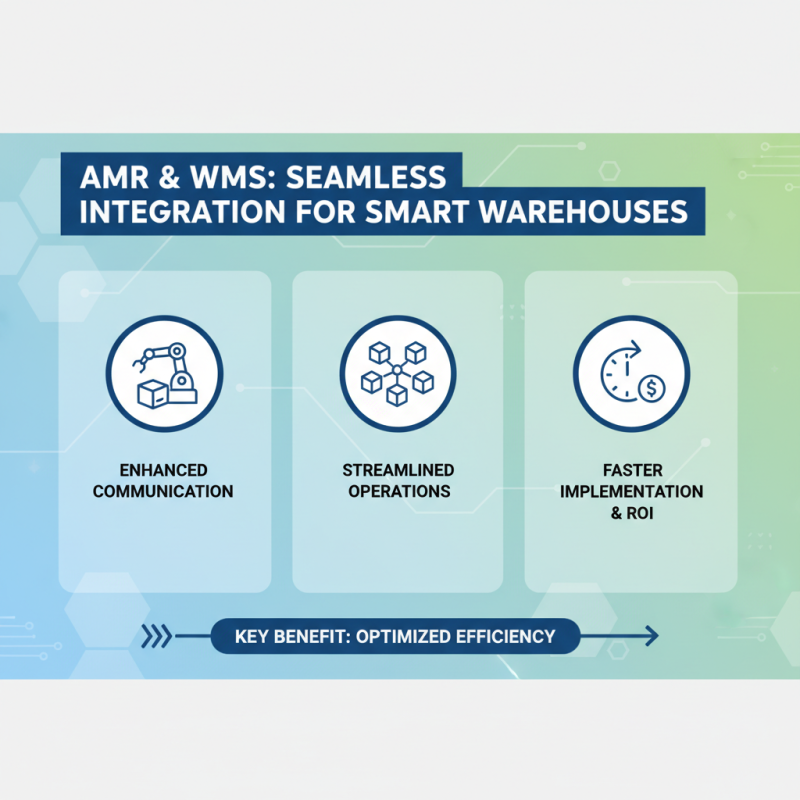
When selecting the best Autonomous Mobile Robot (AMR) for warehouse operations, one of the critical factors to consider is its integration capabilities with existing Warehouse Management Systems (WMS). A seamless integration ensures that the AMR can communicate effectively with the software already in use, allowing for streamlined operations. Compatibility with the current WMS can significantly reduce the time and resources needed for implementation, enabling the warehouse to maintain efficiency without extensive downtime.
Moreover, assessing the integration process involves examining data exchange protocols, such as APIs or middleware solutions, that facilitate communication between the AMR and the WMS. Organizations should evaluate the ease with which the AMR can pull and push data, ensuring that real-time updates for inventory management, order fulfillment, and resource allocation are efficiently handled. Additionally, considering the scalability of both the AMR and the WMS will be vital, especially as business needs evolve and grow. A system that can adapt to future demands without major overhauls or interruptions will provide a more sustainable solution for long-term operations.
Cost-Benefit Analysis: Investment vs. Operational Efficiency in AMR Deployment
When considering the deployment of
Autonomous Mobile Robots (AMRs)
in warehouse operations, a comprehensive
cost-benefit analysis is essential. The initial investment in AMR technology can be significant,
encompassing the purchase of the robots, integration into existing systems, and training for staff. However, these upfront costs must be
weighed against the long-term operational efficiencies that AMRs can deliver. By automating tasks such as
inventory management, order picking, and material transport, warehouses can reduce labor costs,
minimize human error, and increase overall throughput.
Operational efficiency is another critical factor in this equation. Implementing AMRs can lead to
faster processing times and enhanced accuracy in fulfilling orders, which in turn boosts
customer satisfaction. Furthermore, with the ability to operate around the clock, AMRs can significantly increase the
productivity of warehouse operations, allowing businesses to respond more swiftly to market demands. As such, the potential
financial returns from improved efficiency and productivity can offset the initial investment costs, making AMR deployment
a financially sound decision for many warehouses. Ultimately, the right AMR solution
can transform warehouse operations, creating a more agile and responsive supply chain.