
How to Choose the Right Lockout Padlock?

Choosing the right Lockout Padlock is a safety decision, not a simple purchasing task. A weak shackle, unclear identification, or unsuitable body material can fail beside a noisy machine. The right padlock must match the energy source, workplace conditions, and lockout procedure.

The U.S. Occupational Safety and Health Administration (OSHA) estimates that effective hazardous-energy control can prevent approximately 120 fatalities and 50,000 injuries each year. OSHA’s Control of Hazardous Energy standard, 29 CFR 1910.147, also requires documented procedures, employee training, and periodic inspections. The Liberty Mutual Workplace Safety Index reports billions of dollars in serious workplace injury costs annually. These figures show why a small padlock deserves serious evaluation. It is small. The risk is not.

Safety scholar James Reason wrote, “We cannot change the human condition, but we can change the conditions under which humans work.” A Lockout Padlock supports that principle through visible ownership, keyed control, corrosion resistance, and durable labeling. Select nonconductive materials near electrical hazards, and consider stainless steel in wet or chemical areas. Check whether the shackle fits the isolation point without forcing it. Test the key-control system before deployment. That step is often missed.

No product choice replaces worker training or a verified zero-energy state. A bright red lock may look reassuring, yet appearance alone proves little. Buyers should compare OSHA guidance, ISO 45001 practices, and relevant national standards. They should also review real maintenance conditions. Dust, oil, gloves, cold hands, and poor lighting can expose weaknesses that a catalog never shows. The best choice is practical, traceable, and tested before an emergency makes the decision.
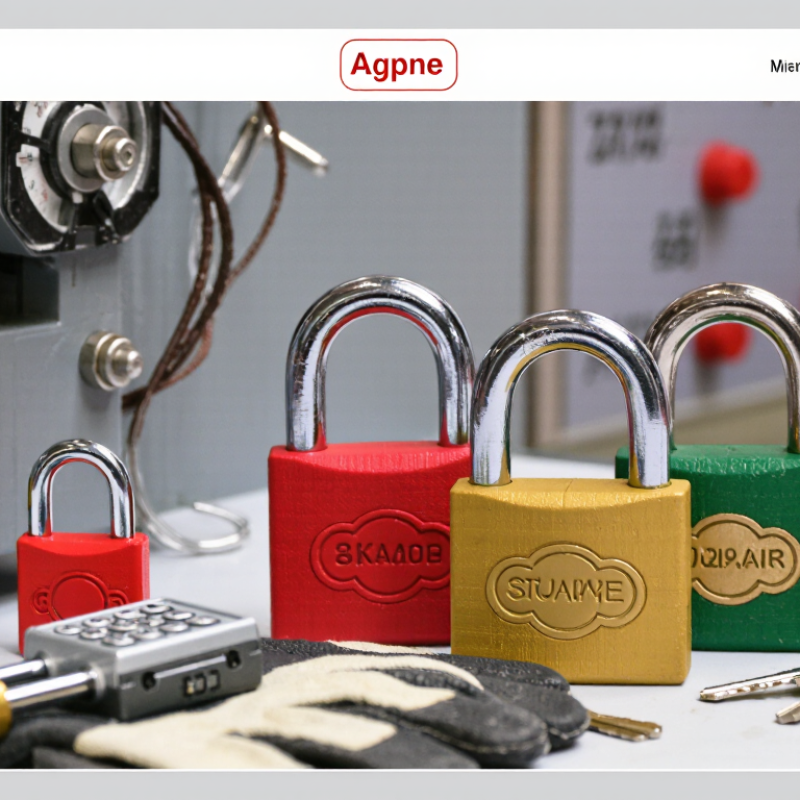
How to Choose the Right Lockout Padlock?

Define the Purpose and Conditions of the Lockout Padlock

Choosing a lockout padlock starts with its purpose, not its color or price.

It must prevent an identified energy-isolating device from being operated. That purpose changes between electrical cabinets, valves, pneumatic lines, and mobile equipment.

For group work, each authorized worker may need a separate lock and key. Do not treat a shared key as convenient. Convenience can weaken control.

Conditions matter just as much.

Inspect the work area before selecting the lock. Outdoor locations may expose it to rain, sunlight, dust, freezing temperatures, or salt. Processing rooms can add oils, cleaning chemicals, and moisture.

Choose materials, seals, and key systems that match those exposures. Check shackle clearance around the hasp. An oversized body may not fit. In cramped cabinets, a compact lock can be easier to apply, but visibility must remain clear.

Use durable identification that stays readable. If the lock becomes brittle, sticky, or difficult to open, remove it from service. Small defects deserve attention.

Reliable selection also depends on the people using it.

Workers should understand who applies the lock, who removes it, and how verification occurs under site procedures. Keep keys controlled and never leave a spare in an uncontrolled location.

Color coding helps recognition, but it does not prove ownership or isolation. That distinction is easy to forget.

A padlock alone cannot control stored pressure, gravity, heat, or electrical energy. Pair it with documented isolation steps and a verification test suited to the equipment.

Review the choice after near misses, equipment changes, or repeated application problems. Even a careful selection may need revision.

Choose the Right Padlock Material and Environmental Protection

How to Choose the Right Lockout Padlock?

Choosing the right lockout padlock starts with the environment, not color or price. In a dry indoor cabinet, a durable plastic body may resist impact and remain easy to handle. For outdoor isolation points, stainless steel or coated metal usually offers stronger resistance to rain, sunlight, and temperature changes. Check the shackle too. A thick shackle can deter cutting, but it must still pass through the equipment hole and hasp. Measure that opening before ordering; photographs often hide tight clearances.

Material selection changes in harsh areas. Around cleaning chemicals, choose surfaces tested for the specific substances, because “corrosion resistant” is not universal. Near salt air, inspect for pitting around the shackle and keyway. In freezing conditions, moisture inside the cylinder may stop a key from turning. A covered keyway, drainage path, or suitable lubricant can help, but follow the manufacturer’s instructions. Do not assume a weather cover makes a lock waterproof. Small details matter.

During site checks, I look for faded labels, cracked bodies, stiff shackles, and missing identification. These signs can reveal exposure before a lock fails. Select a padlock that remains visible and identifiable after months of dust, oil, or sunlight. Color alone is insufficient; engraved or durable identification supports reliable control. I have seen good locks neglected because the wrong size was chosen. That remains a useful reminder. A lock should open smoothly on a cold, wet morning.

Compare Shackle Size, Clearance, and Physical Compatibility

How to Choose the Right Lockout Padlock?

Shackle size is the first physical check. Measure the hasp hole, valve handle, or disconnect point before ordering. A 6 mm shackle may pass through a narrow hole, while a 9 mm shackle may not. Leave enough clearance for gloved hands and visible identification. Too little space causes awkward handling. Too much space can permit unwanted movement.

Clearance also includes the lock body. Check nearby bolts, covers, pipes, and electrical enclosures. The lock must close fully without twisting against another component. For example, a compact body may suit a crowded disconnect cabinet. A longer shackle may fit a valve handle better. Test the actual device, not only a catalog drawing. Small differences matter.

Physical compatibility should be verified during a field walkdown. Check shackle diameter, usable length, body width, and key operation with gloves. OSHA’s Control of Hazardous Energy Fact Sheet estimates lockout procedures prevent 120 fatalities and 50,000 injuries each year. The U.S. Bureau of Labor Statistics recorded 5,283 fatal work injuries in 2023, showing why equipment fit cannot be treated as a minor detail. These figures do not prove that every lockout failure comes from padlock choice. That assumption needs caution. Yet a lock that cannot fully engage is not reliable control. Choose a padlock that fits the isolation point, remains visible, and survives the site’s heat, dust, moisture, and daily handling.

How to Choose the Right Lockout Padlock? – Compare Shackle Size, Clearance, and Physical Compatibility
Padlock Profile Typical Shackle Diameter Typical Vertical Clearance Typical Horizontal Clearance Typical Body Width Common Shackle Material Best-Suited Lockout Use Compatibility Advantages Potential Limitations
Compact Low-Clearance 4–5 mm 20–25 mm 10–14 mm 30–35 mm Steel or non-conductive polymer Small isolators, compact disconnects, and tight control-panel spaces Limited room for thick hasps, multiple locks, or oversized isolation points
Standard General-Purpose 5–6 mm 25–35 mm 14–18 mm 35–40 mm Steel, stainless steel, or nylon-coated steel Electrical disconnects, valve handles, plugs, and general maintenance isolation May not pass through deep or widely spaced lockout holes
Long-Shackle 5–6 mm 38–50 mm 14–18 mm 35–40 mm Steel or non-conductive polymer Valve lockouts, large disconnect handles, and isolation points with recessed holes The longer shackle can be easier to cut or snag if it remains exposed
Slim-Shackle 3–4 mm 20–30 mm 8–12 mm 28–34 mm Stainless steel or hardened steel Small circuit-breaker lockouts, miniature isolators, and narrow hasps Lower clearance and smaller diameter may be unsuitable for heavy-duty hasps
High-Visibility Safety 5–6 mm 25–40 mm 14–20 mm 35–45 mm Non-conductive nylon or coated steel Industrial lockout programs requiring clear identification and electrical separation Polymer components may have lower resistance to heat, chemicals, or impact than metal
Heavy-Duty Corrosion-Resistant 6–8 mm 30–45 mm 18–25 mm 40–50 mm Stainless steel or corrosion-resistant alloy Outdoor equipment, humid areas, washdown zones, and corrosive environments May not fit small lockout holes, compact hasps, or miniature breaker accessories
Multi-Lockout Hasp Compatible 5–6 mm 25–35 mm 14–18 mm 35–40 mm Steel or coated steel Group lockout hasps and procedures requiring several personal locks Check the hasp hole diameter and spacing before selecting the lock
Dimensions are typical selection ranges in millimetres; always verify the actual lockout device, hole diameter, available clearance, environmental conditions, and site safety requirements before purchase.

Evaluate Keying Options, Identification, and Management Needs

Choosing a lockout padlock starts with the keying plan, not the color. Keyed-different locks give each worker a unique key and reduce accidental access. They suit personal control during maintenance. Keyed-alike sets simplify shared equipment, but they increase exposure if one key disappears. A master-key system may help supervisors, yet it can weaken personal isolation. Use it only when responsibilities and access rules are clearly documented. Keep spare keys secured. Never leave them in a toolbox.

Identification should remain readable after oil, dust, and repeated handling. Engraved numbers, durable labels, and contrasting colors help teams match locks with records. Do not rely on color alone. Some workers may see colors differently, and lighting can change near machinery. Add the employee’s initials, asset code, or lock number when appropriate. A simple register should record the issue date, assigned user, key reference, condition, and return status. Review it during shift changes and routine inspections. Paper records work, but they are easy to forget.

Management needs often expose weaknesses in an otherwise good choice. Ask who issues locks, replaces damaged units, and verifies missing keys. Train users to report loss immediately, without hiding mistakes. That detail matters. In one practical review, a clear label helped, but an outdated register caused confusion. The system was not perfect. It needed clearer ownership and more frequent checks. A short trial period can reveal problems before the padlocks become part of daily routine.

How to Choose the Right Lockout Padlock?

Keyed-different padlocks provide individual accountability, keyed-alike padlocks simplify shared-key control, and master-keyed systems can support authorized supervisory access. Select the option that matches your identification, group-work, and key-management requirements while ensuring the lock is durable, standardized, substantial, and identifiable.

Verify Safety Standards, Durability, and Workplace Requirements

When choosing a lockout padlock, safety verification should come before color or price. Check the product documentation for recognized safety standards, test methods, and material specifications. A clearly identified keying system can reduce confusion during maintenance. Still, a printed claim is not enough. Ask for current certificates or test records, and compare them with your site’s safety procedure.

Durability matters where locks face oil, dust, moisture, and repeated handling. Select materials suited to the working environment, especially when procedures require nonconductive components. Look for a shackle with strong resistance to cutting and corrosion. Test the lock with gloved hands. Can workers turn the key without forcing it? Inspect shackle clearance, key movement, and label readability. Small failures become serious delays. A clean first impression proves little.

Workplace requirements should guide the final choice. Confirm whether each authorized worker needs a uniquely keyed lock. Check whether group lockout equipment is used. Make sure tags remain readable after cleaning and outdoor exposure. Match the lock to local temperatures, washdown routines, and storage conditions. A red body may improve visibility, but color alone cannot identify ownership. Record inspection dates and replace damaged units promptly. I have found that checklists sometimes miss simple problems, such as stiff keys or unclear ownership. A short trial in the actual work area can reveal more than a catalog description.

Scroll to Top